Ultimate Designers Lab
Where the next generation of Arab designers gets built
Not a course. Not a group chat. A structured practice space for designers who want to work across more than one discipline, command AI instead of taking orders from it, and compete on that basis now.
01The argument
The designer who does one thing well is in trouble
For years the path was clear. Pick a discipline, master it, work in it for twenty years.
That path closed faster than anyone could keep up with. Not because AI got better than designers. Because it got good enough at the exact part that used to separate the specialist.
If all your work is execution inside one discipline, there is now something that does it in a fraction of the time and cost. Your client knows it.
What still holds value is the designer who sees the whole project. Understands the strategy, turns it into a visual direction, can carry the idea across a room, and can ship. Not because they are good at everything. Because they understand how the pieces fit together.

02The difference
The difference between knowing and owning
Knowing a rule in typography is about twenty hours. Owning it well enough to break it on purpose and know exactly why is about a thousand.
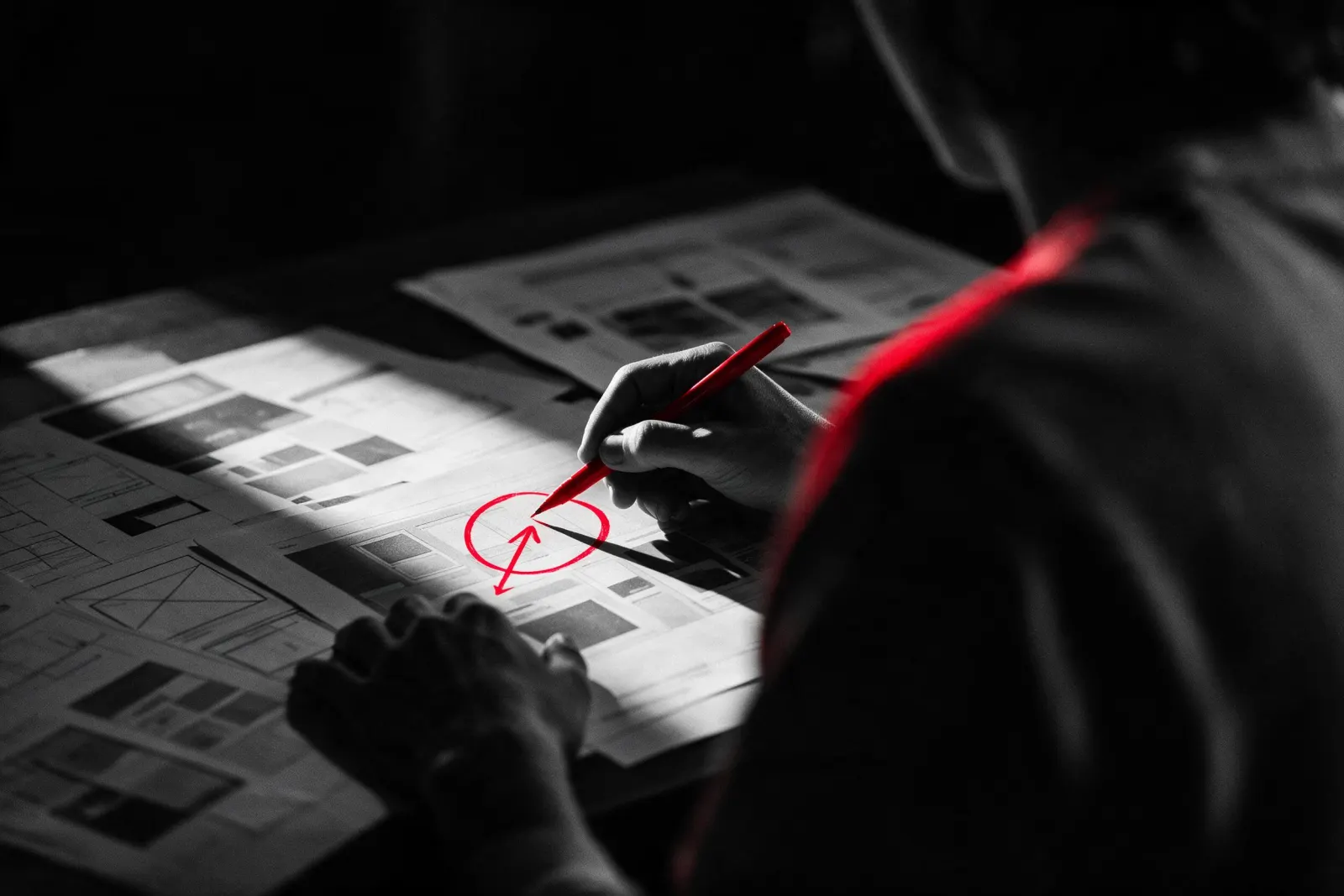
AI reached this one. It knows every rule and hands them to you in a second. That is why this side is now worth nothing.
This one still has worth. And it has no route except practice under review. Not content you watch. Work you hand in, that someone answers properly.
UDL is built on exactly that gap.
03The destination
The Ultimate Designer
A designer who works across more than one discipline, gives AI orders instead of taking them, and can defend every decision in their work.
It is not a title handed to you at the end. It is a direction you move in. And the first step is knowing where you are standing right now.
04The week
A week inside UDL runs like this
- 01
You read one short, specific topic.
The core idea. No filler, and no two hour video.
- 02
You sit in two live sessions.
We walk through the content and open it up for discussion, and we go through members' work together.
- 03
You run a timed exercise.
Thirty minutes to an hour, so the idea turns into a decision.
- 04
You submit the thinking before the artifact.
What the problem was. What the alternatives were. What you picked, and why.
- 05
Someone answers you.
Not "nice" or "not nice". Notes on the logic itself, so you see what you missed and build a second version.
- 06
You collect proof of the skill.
A badge is earned when you prove you apply it, not when you finish content.
05The curriculum
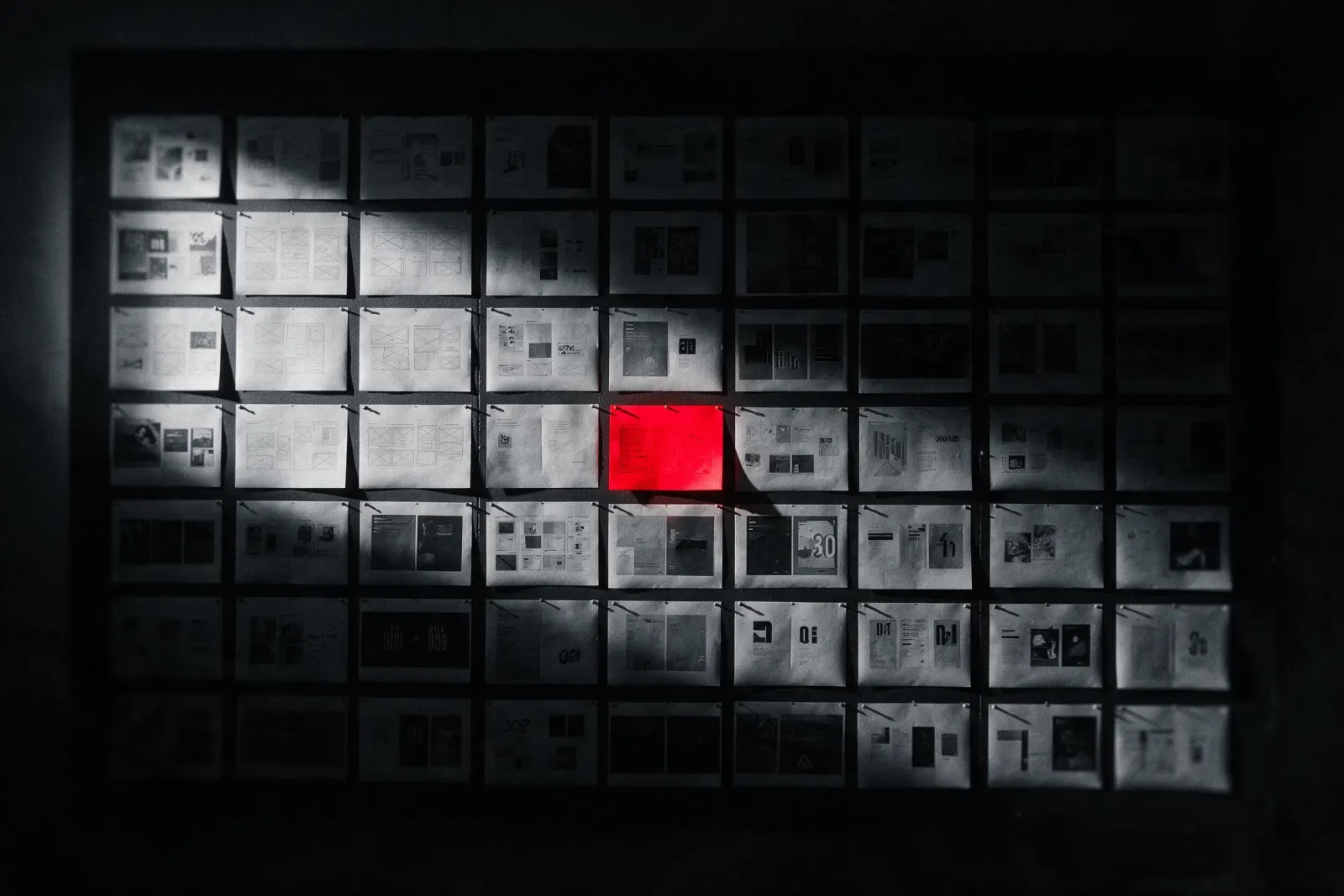
23 spaces open now. The full map is 25.
Each space closes a specific gap, with a written curriculum, topics, exercises and weekly practice inside it. You do not have to go in order. You open what you are missing.
06Fit
Who this is for
- +You have been in the field somewhere between two and ten years.
- +You feel like you have hit a ceiling.
- +You can see AI closing in on the part of the work you live in.
- −You are starting from zero and need the fundamentals of the tools first.
- −You want a course you finish in exchange for a certificate.
- −You are not free to put in work every week.
Being straight about it saves us both. This place works with people who practice.
07Members
What changes is not just how the work looks
Most of what I'd learned happened inside the product bubble. At UDL I got to mix with motion, brand and presentation designers, and I saw how each one reads the exact same problem from a completely different angle. The system itself is what makes that happen: no submission goes through without writing the reasoning behind every decision, so you end up reading how people think, not just what they made.
 Yossef Elfeel
Product/UX Designer · Lead Designer @ Teslm
Before UDL I wasn't great at using AI tools. I didn't know how to use them properly in my work, or what the right way was to get to what I actually wanted and get the most out of them. Inside UDL I also met people working in the same field, and we're learning new things beyond UI, because the whole point of UDL is how we become ultimate designers.
 Mohamed Henedy
UI/UX (Product) Designer
For a while I'd been looking for a place where I could think out loud, put ideas out, share experiences and learn, without carrying the weight of social media criticism. Honestly, since UDL started I've been learning something new every time and sharing out loud, and that made me think differently and look again at things I used to do unconsciously without understanding them. I finally understand why I do them. Thanks to everyone behind UDL.
 Mohamed Attia
Senior Graphic Designer
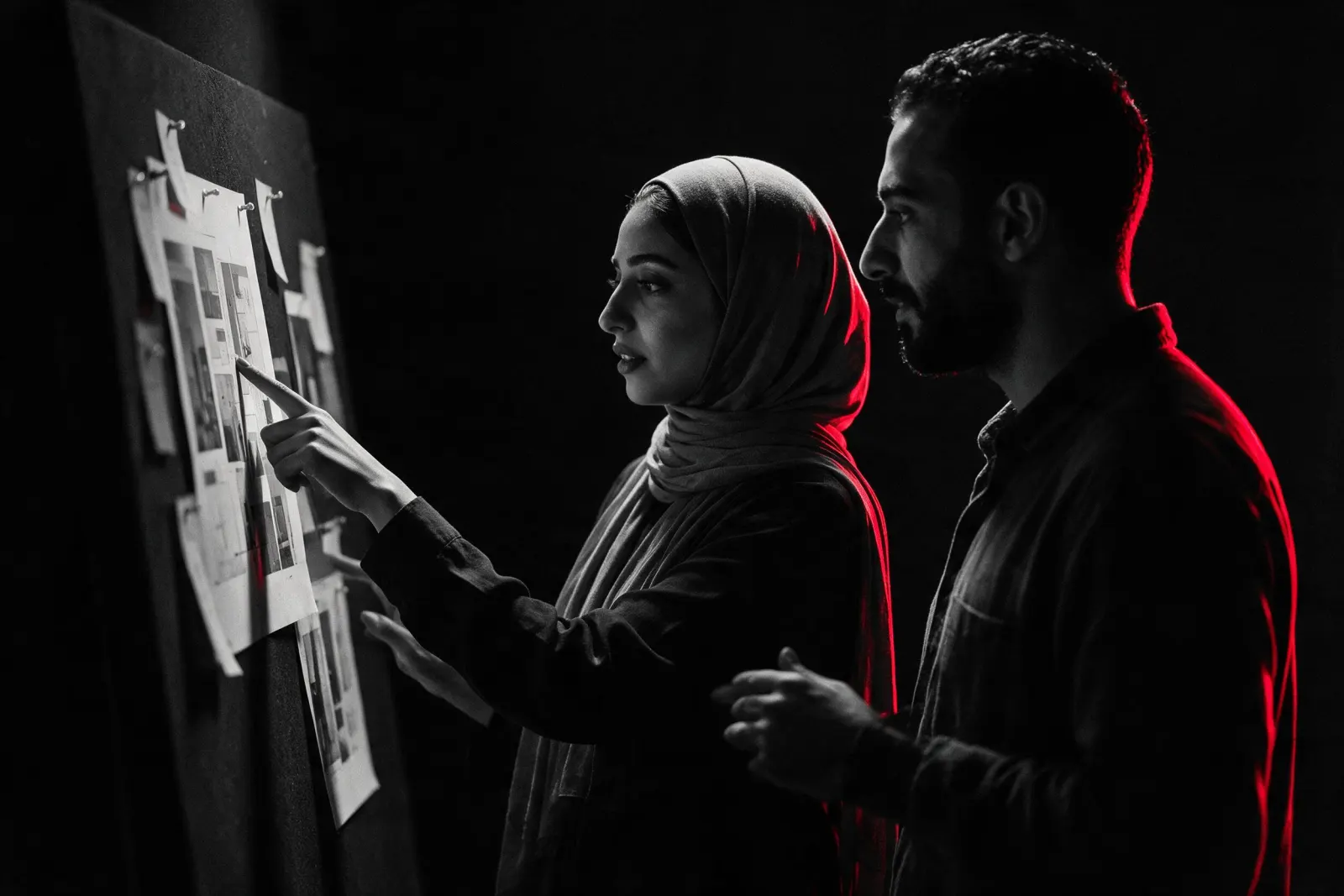
08Writing
We write what we learn
Articles on thinking in design, working with AI, and the things that happen while we build UDL.
Every article is tied to a space in the curriculum, and widens one idea from it with material and research that are not inside.
09Access
One subscription opens everything available
12 spaces now, and any new space opens inside the same subscription. With the exercises, the Weekly Prompts, review on your work, the badges, and the community.
Every open space
12 now, and each new one opens at no extra cost.
The written curriculum
Modules and topics, each marked open, in writing, or coming.
Exercises and challenges
Timed, with a defined goal, so the idea becomes work.
Two live sessions a week
We explain the content and discuss it, and go through members' work together.
Review on your work
You hand in the problem and the decision. You get a real answer.
Weekly Prompts
Continuous practice, so you stay working instead of collecting.
Badges
Proof you apply the skill, not that you finished content.
The community
A place to ask, show your work, and see how others think.

10Start here
So where are you in all of this?
24 questions, about ten minutes, all of them practical situations with no jargon from inside the curriculum. The result is not a score. It is a report on where you stand, what the gaps are, and which space to start from.